
Modern reflective vest engineering materials
1. Background Fabrics
The foundation of visibility starts even before reflection kicks in. Hi-vis vests rely on intensely colored, fluorescent background materials chosen for their daylight conspicuity:
Polyester: The undisputed champion for durability and colorfastness. Polyester fabrics resist fading from UV exposure, harsh weather, and industrial washing, maintaining their bright fluorescent hue (typically yellow, orange, or lime green) for longer. They offer good tear and abrasion resistance, crucial for demanding work environments.
Polyester Mesh: Provides the essential vibrant color while significantly enhancing breathability. This is the go-to choice for warmer climates, high-activity roles, or vests worn over bulky clothing. The open weave allows air circulation, reducing heat buildup while ensuring the bright color remains prominent.
Knitted Polyester: Offers a softer feel and greater stretch compared to woven fabrics. This enhances comfort and freedom of movement, making it popular for vests intended for longer wear periods or active users like cyclists or event staff. Durability is generally high, though perhaps slightly less than tightly woven solid polyester.

2. Retroreflective Materials
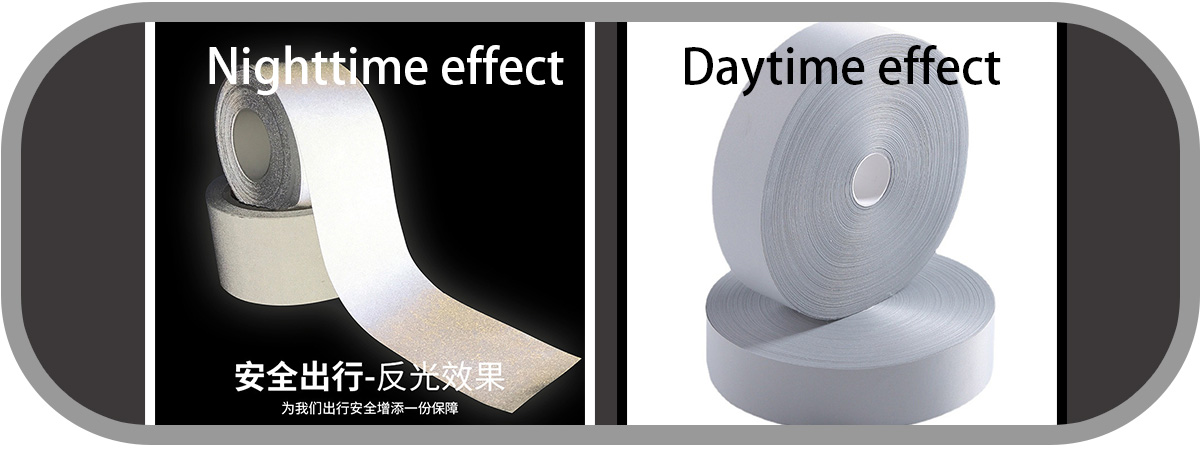
This is where the magic happens after dark or in low light. These materials bounce light directly back to its source (like car headlights):
Microprismatic Reflective Tape/Trim: The current gold standard for performance. Engineered plastic films contain millions of precisely aligned, microscopic cube-corner prisms. These prisms capture light and reflect it back with exceptional brightness and over longer distances (often exceeding standards). They are generally thinner, more flexible, durable, and resistant to abrasion and washing degradation than older glass bead options. Available in silver, fluorescent yellow-orange, or fluorescent red.
Glass Bead Reflective Tape/Trim: The traditional technology. Billions of tiny glass beads are embedded in a resin layer on a fabric backing. Light enters the beads, reflects off a mirrored backing layer, and exits back towards the source. While effective and often more cost-effective initially, glass bead tape tends to be thicker, stiffer, less abrasion-resistant, and can lose reflectivity faster with wear and washing compared to microprismatic. Still widely used, especially on budget-conscious or lower-classification vests.
Combined Performance (CP) Tape: A hybrid approach. Features microprismatic reflectivity but bonded onto a fluorescent background fabric. This provides both high reflectivity and enhanced daytime visibility due to the larger fluorescent surface area, often used for stripes meeting high-visibility standards (like ANSI Class 3/EN ISO 20471 Level 2).
3. Holding It All Together: Supporting Elements
The materials ensure the vest functions reliably and comfortably:
Thread: High-strength polyester thread is essential. It must withstand industrial laundering, abrasion, and the stress points created by reflective tape and closures without failing.
Closures: Typically robust plastic hardware:
Hook-and-Loop : Offers adjustable fit over various clothing layers. Durable industrial-grade versions are crucial.
Zippers: Heavy-duty plastic zippers (often with large pulls for gloved hands) provide a secure closure. Rust-proof metal zippers are sometimes used but less common.
Breakaway Features: Critical for safety near machinery. Vests incorporate weak seams or specially designed plastic buckles/snaps that release under significant force, preventing snagging hazards.
Binding/Edging: Reinforced edges (often using durable nylon tape) prevent fraying and extend the vest’s lifespan.