
A Step-by-Step Guide to Cleaning Your Reflective Safety Vest
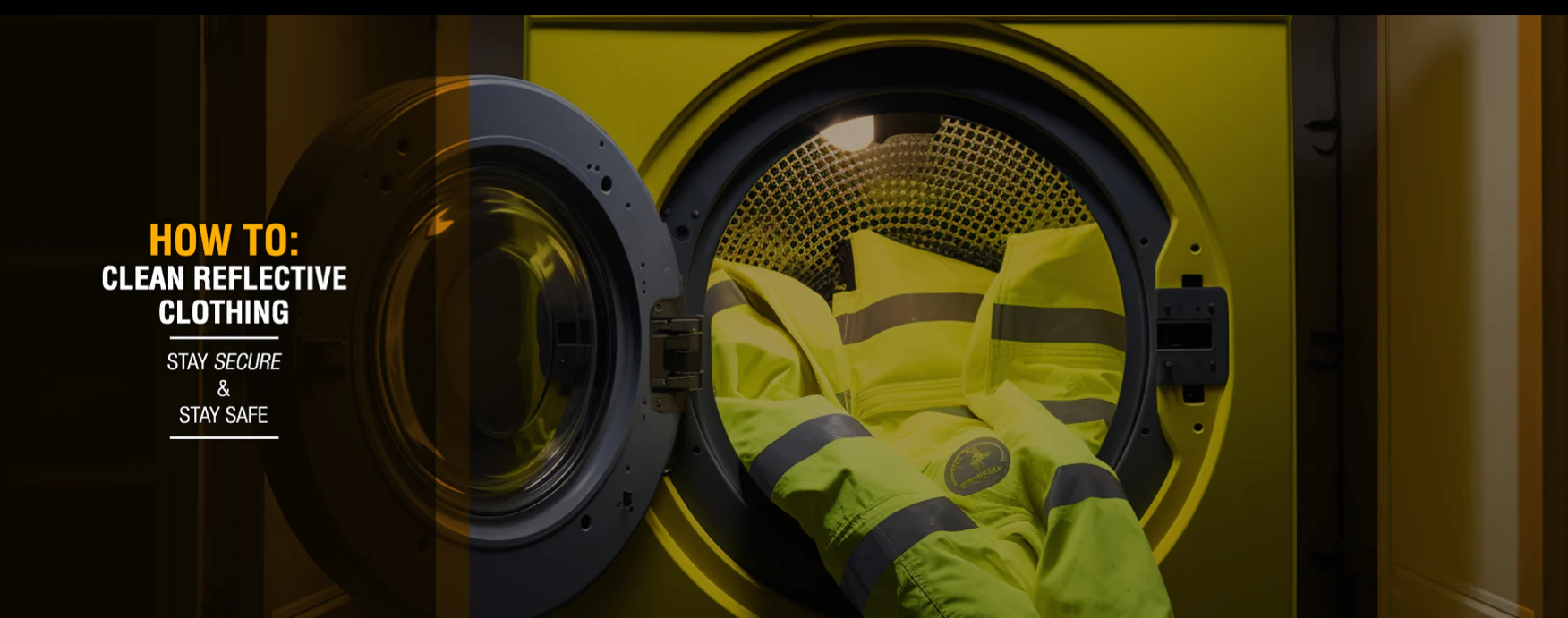
Your high-visibility (hi-vis) vest is critical personal protective equipment (PPE), designed to keep you seen and safe. However, dirt, grime, and improper cleaning can degrade its fluorescent background material and reflective tape, compromising visibility and potentially violating safety standards. Follow these essential steps to clean your vest effectively and safely, ensuring long-lasting protection.
Why Proper Cleaning Matters:
Maintains Visibility: Dirt obscures fluorescent colors and blocks light from reaching reflective elements.
Preserves Reflectivity: Harsh chemicals, heat, and abrasion can damage the microscopic prisms or glass beads in reflective tape.
Ensures Compliance: A heavily soiled or damaged vest may no longer meet ANSI/ISEA 107 or EN ISO 20471 standards.
Extends Lifespan: Gentle care prevents premature wear, tear, and fading.
Step 1:
ALWAYS check the manufacturer’s care label first. This is the most crucial step, as specific materials (especially advanced microprismatic tape) may have unique requirements or restrictions.
Look for symbols or instructions regarding:
* Washing temperature (Max Temp)
* Wash cycle (Gentle/Delicate)
* Bleaching (Usually a big NO)
* Drying method (Tumble Dry / Line Dry / Do Not Tumble Dry)
* Ironing (Almost always Do Not Iron)
If the label is missing or illegible, proceed with extreme caution using the gentlest methods outlined below.
Step 2: Pre-Treatment for Stains & Heavy Soil
Spot Clean First: Never soak the entire vest unless heavily soiled everywhere. Focus on soiled areas.
Gentle Dabbing: Use a soft cloth or sponge dampened with cold or lukewarm water. Gently dab (do not scrub vigorously) at the stain.
Mild Detergent Solution: If water isn’t enough, add a small amount of mild liquid detergent (non-bleach, non-whitening, non-fabric softener) to the water. Test this solution on a small, inconspicuous area first to ensure no color damage.
Avoid Harsh Chemicals:NEVER USE:
Bleach (chlorine or oxygen bleach)
Stain removers containing bleach or solvents
Fabric softeners
Dry cleaning solvents
Strong degreasers or industrial cleaners
Abrasive cleaners or stiff brushes
Rinse Thoroughly: After spot cleaning, rinse the treated area thoroughly with cold water to remove all detergent residue.
Step 3: Washing – Gentle is Key
Hand Washing (Highly Recommended): This is the safest method to protect reflective tape and background fabric.
1. Fill a sink or basin with **cold or lukewarm water (below 30°C / 86°F is safest unless label specifies otherwise).
2. Add a small amount of mild, non-bleach liquid detergent. Dissolve well.
3. Submerge the vest. Gently agitate by hand for a few minutes. Pay extra attention to soiled areas with gentle rubbing.
4. Avoid excessive soaking (15-30 minutes max).
5. Never wring or twist the vest, especially where reflective tape is attached.
Machine Washing (Use ONLY if label explicitly permits & with GREAT CAUTION):
1. Zip or fasten all closures (Velcro, snaps) to prevent snagging.
2. Turn the vest inside out. This protects the reflective tape surface.
3. Place the vest in a mesh laundry bag for added protection.
4. Use the gentlest cycle available (e.g., Delicate, Hand Wash, Wool cycle).
5. Use COLD water only.
6. Use the minimum amount of mild, non-bleach, non-softener liquid detergent.
7. DO NOT wash with heavy items (like jeans or towels) that could cause abrasion.
8. Run an extra rinse cycle to ensure all detergent is removed.
Step 4: Rinsing – Remove ALL Soap
Thoroughly rinse the vest in cold water until the water runs completely clear, with no soap bubbles or residue. Detergent residue can attract dirt and degrade materials over time.
Step 5: Drying – Air is Best
Never wring or twist. Gently press out excess water by hand.
Air Dry Flat or Line Dry: Lay the vest flat on a clean towel or drying rack out of direct sunlight and heat sources. Alternatively, hang it on a plastic hanger or line by its shoulders (not by the reflective tape).